What Is a Data Center? Why Data Centers Are Important to Today’s Economy and Technology
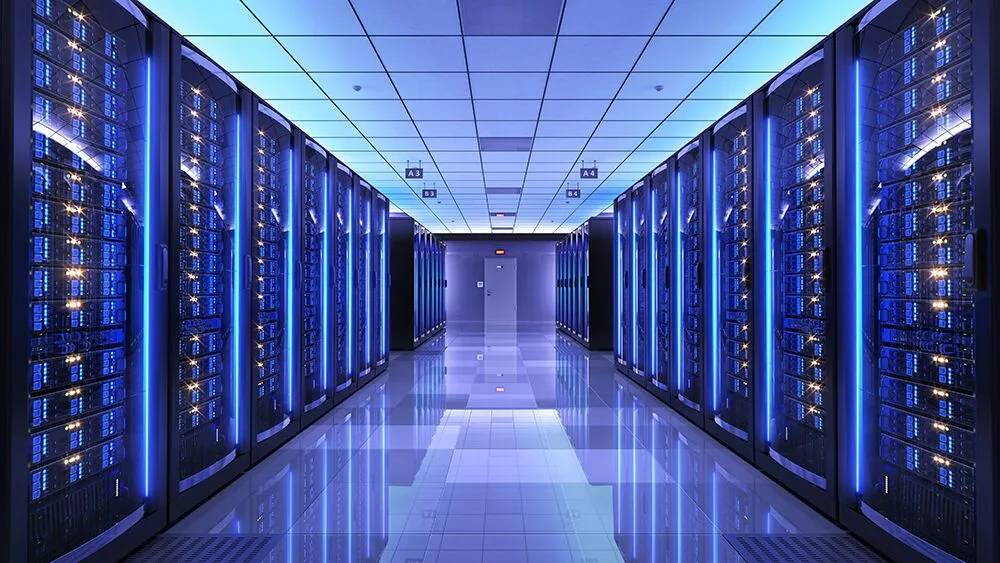

Pic : https://www.networkcablingservices.com/next-generation-data-centers-everything-you-need-to-know/
In our daily lives, we rely on digital technologies almost constantly—from searching for information through Search Engines and watching videos to using online banking services, shopping through E-commerce platforms, storing files on the Cloud, and even using Generative AI such as ChatGPT.
Although users can access these services with just a few taps, the digital systems behind them rely on infrastructure capable of continuously storing, processing, and transferring massive volumes of data. One of the most critical components of this infrastructure is the **Data Center**.
Today, Data Centers are no longer infrastructure solely for technology businesses. They are becoming an essential part of the digital economy and are directly connected to the growth of AI, Cloud Computing, and the Internet of Things, as well as the development of modern manufacturing. So, what exactly is a Data Center, and why has it become so important in today’s world?
What Is a Data Center?
A "Data Center" is a facility specifically designed and equipped to store, process, and manage data and computer systems. It houses Servers, Storage systems, Network infrastructure, and various supporting systems that enable operations to run continuously and securely.
Simply put, a Data Center can be described as the **“infrastructure behind the digital world”** that enables a wide range of online services to operate.
For example, when users access a website, watch a video, use a Cloud service, or send a request to an AI system for processing, the data must be transmitted to Servers for storage or processing before the results are delivered back to the user.
Therefore, while users may only see a screen or application, behind these interfaces are Data Center systems operating continuously in the background.
Why Are Data Centers Important to Today’s World?
The importance of Data Centers continues to grow alongside the expansion of the digital economy, as many business activities and aspects of everyday life are increasingly transitioning to digital platforms.
Supporting the Digital Services We Use Every Day
From Search Engines, Social Media, Streaming, Online Banking, and E-commerce to Cloud Services, all of these rely on systems for data storage and processing.
As the number of users and the volume of data continue to increase, the demand for infrastructure capable of managing this data is also growing.
304 Industrial Park and Infrastructure for the Digital Industrial Era
For 304 Industrial Park, developing infrastructure capable of supporting a wide range of industries is one of the key elements in providing an industrial environment and infrastructure that supports the needs of the manufacturing sector.
This includes an electricity infrastructure with a total generation capacity of 893 MW, comprising 555 MW of renewable energy from biomass and floating solar power, as well as an industrial water supply with a production capacity of 424,000 cubic meters per day.
304 Industrial Park also has reservoirs developed within the project area with a total storage capacity of more than 40 million cubic meters.
These infrastructure capabilities provide confidence that 304 Industrial Park has the potential to support industrial growth while advancing environmental sustainability hand in hand.
Related News & Media