Solar Energy: A Pathway to Carbon Neutrality
Southeast Asia is entering a new era of solar energy. The ASEAN
Energy Database System forecasts that in 2024, solar power
generation capacity will surge from 12.6 gigawatts (GW) in 2023 to
35.8 gigawatts (GW), an increase of almost three times in just one
year, which is one of the fastest growth rates in the world.
This trend not only reflects a growing environmental awareness but
also serves as a clear signal that the industrial sector is rapidly
adapting its frameworks and strategies to reduce energy costs,
improve efficiency, and drive business growth through sustainable
practices.
What is Solar Energy?
Solar energy is the energy derived from the sun’s radiation, and it
is one of the most widely used forms of renewable energy in both the
industrial and household sectors. A key characteristic of solar
energy is that it is a clean energy that generates no pollution,
produces no waste during generation, and emits no greenhouse gases.
It is a form of energy that can be harnessed directly from nature.
These advantages make solar energy an increasingly popular choice
among renewable energy options, particularly in tropical regions
such as Thailand. Moreover, it offers a viable path for businesses
aiming to achieve carbon neutrality.
How is Sunlight Converted into Energy?
Currently, there are two main technologies used to convert sunlight
into usable energy:
-
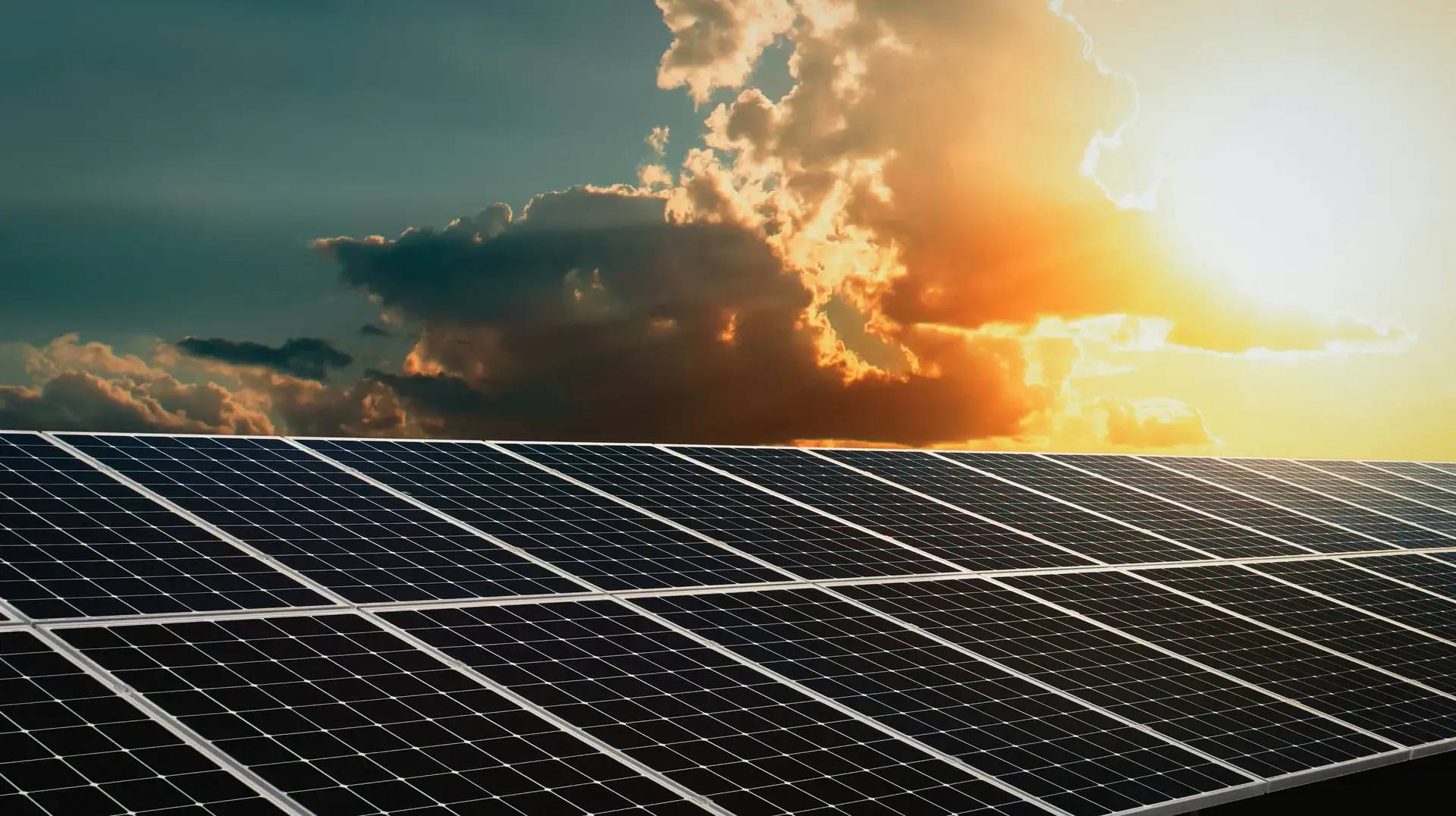
Solar Thermal Energy ProductionThis method uses systems that reflect or absorb sunlight, such as vacuum tubes, thermal collectors, or concentrated lenses, to capture heat from the sun. The thermal energy is then used in industrial processes such as steam generation, drying, or chemical production.Electricity Generation Using Photovoltaic (PV) PanelsSolar panels are made from semiconductor materials (typically silicon) that absorb sunlight and convert it into direct current (DC) electricity. An inverter is then used to convert the DC into alternating current (AC), which can be used to power machinery and standard electrical systems in factories or office buildings.Today, entrepreneurs can choose to use solar cells in many forms. 304 Industrial Park offers both rooftop solar panels and ground-mounted solar farms, and sells electricity generated from floating solar farms on the reservoir within the industrial park to support sustainability and carbon neutrality goals.
Why Are Entrepreneurs Turning to Solar Energy?
The benefits of solar power are not limited to the environment, but also help businesses meet cost and growth requirements.-
Long-Term Cost Reduction: The use of solar energy can help reduce electricity costs consistently, especially in factories that require a significant amount of energy.Strengthens energy security: Minimizes the risk of power outages and reduces exposure to fluctuating electricity prices from the main grid.Ready-to-use: Currently, the cost of solar panels and related equipment has decreased significantly, enabling faster return on investment for installation projects.Low-maintenance: Solar cell systems typically have a lifespan of 20–25 years, contain no moving parts, and require minimal maintenance, mainly panel cleaning and periodic inverter checks. The solar cells also come with an online monitoring system that conveniently tracks their performance.Supports Sustainable Business Growth: Solar energy is an alternative energy source that clearly supports ESG (Environmental, Social, and Governance) goals, helping to enhance business growth opportunities. According to a report by ESG Drive, companies with strong ESG practices grow 10–20% faster, have higher valuations, and operate with 5–10% lower costs.The use of solar energy in the industrial sector is not merely an environmental investment but a business strategy that helps reduce costs, enhance energy security, and create long-term added value for the organization.
Limitations of Solar Energy
Although solar energy offers significant benefits in terms of long-term sustainability and cost savings, its practical application in the industrial sector comes with certain limitations and conditions that entrepreneurs should carefully consider, such as:-
Energy Depends on Weather and SunlightThe efficiency of solar energy drops on cloudy or rainy days, particularly during the rainy season, making it impossible to generate electricity at full capacity year-round. Factories that rely solely on solar panels may need to implement backup systems powered by the main electricity grid.Requires a Large Installation AreaInstalling solar panels of sufficient size to produce energy on an industrial scale requires a large amount of space, such as on factory rooftops or open areas, which some factories may not have available.High Initial InvestmentWhile the long-term cost savings are substantial, the initial expenses for installing a solar cell system (including inverters, mounting structures, and energy storage systems) can be high for some businesses, especially SMEs that may not be able to invest upfront.Requires Energy Storage SystemsWithout a battery storage system, solar energy generated during the day cannot be effectively used at night. These storage systems can be expensive and often require more maintenance than the power generation system.While the advantages of solar energy, both for business and the environment, are obvious strengths, carefully considering all the limitations is crucial to ensure that investments in solar energy systems deliver maximum value and long-term sustainability.
Solar Energy in Industrial Applications
We can conclude that solar energy is no longer just an option for the future but the key to unlocking a sustainable future for the industrial sector. Entrepreneurs and investors around the world are taking solar energy seriously, not only because of its direct benefits, but also because it aligns with the global shift toward a green energy transition, a trend rapidly gaining momentum across Southeast Asia (SEA).According to a report by Infolink Group, industrial sectors in SEA, such as Vietnam, Indonesia, and Thailand, are accelerating investments in solar energy systems, including both rooftop solar panels and floating solar farms, in a bid to reduce reliance on fossil-fuel-based electricity and promote sustainability policies. These efforts are further supported by government initiatives, such as the Direct Power Purchase Agreement (DPPA), which enables large electricity users to purchase renewable energy directly from producers. This significantly improves the accessibility and cost-effectiveness of clean energy for the industrial sector.Examples of Industrial Applications
-
Electricity GenerationThe industrial sector uses solar panels to convert sunlight into electrical energy. This system can continuously supply power to machinery, production lines, and various systems within the factory, especially during daytime hours when electricity usage is high.Thermal Energy ProductionFactories that require thermal energy, such as those in the food or chemical industries, can utilize solar thermal collectors to heat water or air. This helps reduce reliance on gas or electricity, which are used for heating processes.Hybrid Systems with Batteries or Grid PowerSome large-scale industrial plants implement hybrid systems that combine solar power with battery storage or the main grid electricity. This ensures a stable and continuous power supply, particularly during periods without sunlight.
Solar Energy: A Choice for the Bright Future
We can conclude that solar energy is a component of strategic adaptation that enhances production capacity, reduces energy risks, and builds a positive image in sustainability. These factors will become crucial competitive advantages in the future. 304 Industrial Park is ready to support businesses with integrated renewable energy services, including solar power from floating solar farms, biomass power plants, and green steam energy.The floating solar farm is installed on a reservoir within 304 Industrial Park, covering an area of up to 1,200 rai (1,920,000 square meters), with a total production capacity of 157 megawatts (MW). It can reduce carbon dioxide (CO₂) emissions by up to 100%.Additionally, installation services are available for:-
Rooftop solar panelsGround-mounted solar farmsFloating solar farmsOperated by a team of electrical and energy system experts with over 10 years of experience, guaranteed quality with international standards ISO 9001:2015 and ISO 50001:2018. We offer 24-hour support to ensure the continuity of your business operations.304 Industrial Park not only offers space for industrial factory construction and comprehensive utility systems, but is also ready to grow alongside modern businesses that prioritize sustainability and the environment.
Related News & Media