What Is Predictive Maintenance? How Can This Technology Reduce Downtime in Manufacturing Facilities?
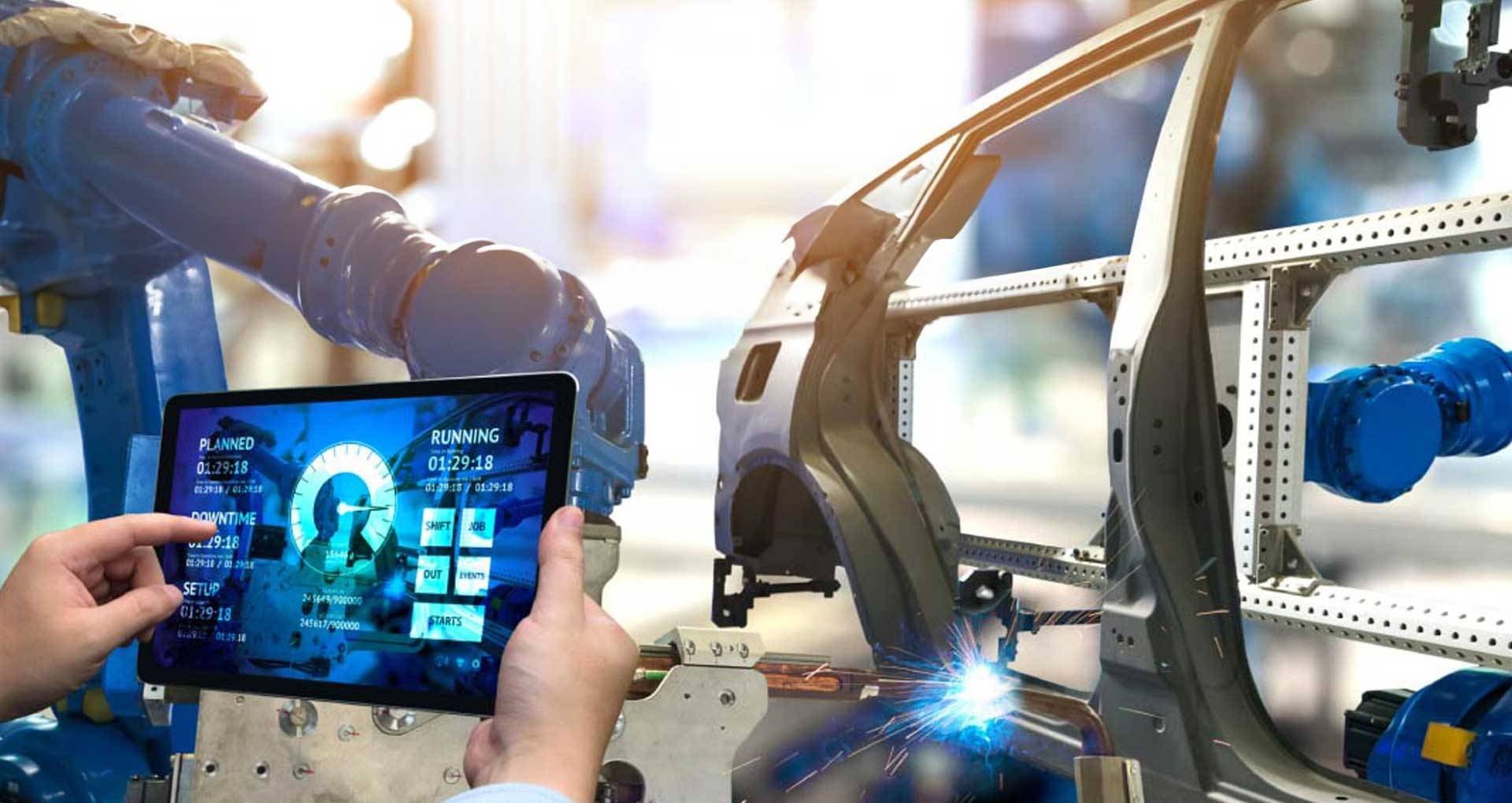
Image source: Rishabh Software – IoT Predictive Maintenance
For industrial facilities, machinery is a critical part of the manufacturing process. Unexpected equipment failures can affect production schedules, operating costs, and the ability to deliver products on time.
As a result, machinery maintenance is no longer focused solely on repairing equipment after a problem occurs. Instead, manufacturers are increasingly using data to identify potential abnormalities before equipment failure occurs. This approach is known as Predictive Maintenance.
What Is Predictive Maintenance?
Predictive Maintenance is a maintenance approach that uses data collected from machinery—such as temperature, vibration, sound, and energy consumption—to assess equipment conditions and predict potential signs of malfunction.
The key objective is to enable factories to plan maintenance activities before equipment failure occurs and affects production.
How Does Predictive Maintenance Differ from Conventional Maintenance?
Reactive Maintenance
Equipment failure → Production stops → Repair
This approach involves performing maintenance after a problem has occurred, which can result in Unplanned Downtime.
Preventive Maintenance
Scheduled interval → Inspection/Component replacement → Problem prevention
This approach involves performing maintenance according to predetermined schedules, even when machinery may still be operating normally.
Predictive Maintenance
Data collection → Analysis → Prediction → Maintenance planning
This approach allows maintenance activities to be based more closely on the actual condition of the equipment.
How Does Predictive Maintenance Work?
1. Collecting Data from Machinery
Sensors monitor various parameters, such as temperature, vibration, pressure, and energy consumption.
2. Analyzing Data
The system compares current data with historical data or normal operating conditions to identify abnormalities.
3. Detecting Trends
If certain parameters show continuous changes or unusual patterns, the system can issue alerts, allowing the maintenance team to inspect the equipment.
4. Planning Maintenance
Factories can select an appropriate time to inspect or repair equipment, helping minimize the impact on the Production Schedule.
How Can Predictive Maintenance Benefit Factories?
- Reduce the risk of Unplanned Downtime
- Improve maintenance and operational planning
- Increase equipment availability
- Help minimize potential equipment damage
- Support production planning
However, Predictive Maintenance does not mean that machinery will never fail. Rather, it is an approach that helps factories identify early warning signs of potential problems and respond more quickly through proactive maintenance planning.
Predictive Maintenance and Business Continuity
For the manufacturing sector, maintaining production continuity is essential for managing costs and ensuring timely product delivery.
Predictive Maintenance is therefore one approach that can help reduce the risk of unexpected equipment downtime. However, a factory’s Business Continuity also depends on other factors, including electricity, water, utilities, and overall infrastructure.
304 Industrial Park and Infrastructure Readiness
304 Industrial Park places importance on developing infrastructure and utility systems to support industrial operations, including electricity, industrial water, wastewater treatment, and other supporting systems.
The availability and reliability of these infrastructure systems are important elements in supporting factory operations and long-term Business Continuity planning.
Related News & Media



304 Industrial Park
Creating a future-ready ecosystem for businesses, with green energy, complete facilities, and global connectivity.
Contact Us