Discover Green Logistics: Key Strategies Every Entrepreneur Should Know
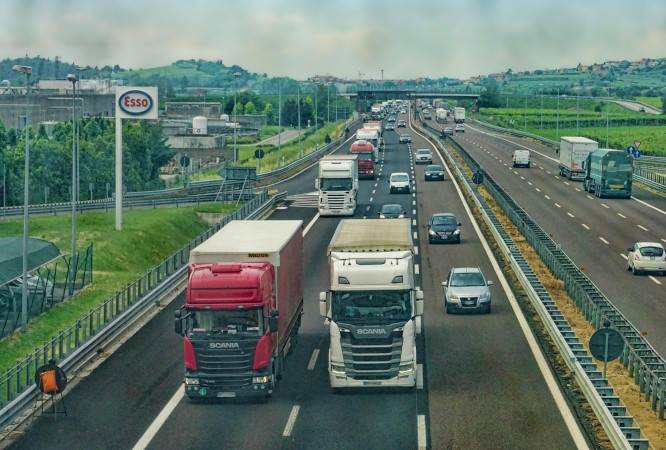
Image source :https://pixabay.com/th/photos/ทางหลวง-ถนน-รถบรรทก-ยานพาหนะ-3392100/
‘'Green logistics' is one of the environmental concepts being discussed. This is because the transportation sector is considered a major contributor to pollution emissions. But what is green logistics? Is there a way to manage or buy? Industrial estate land for sale However, we have the answer for you.The meaning of the term green logistics
Green logistics is a management concept that focuses on making logistics processes more environmentally friendly. It covers every step from transportation, inventory management, loading and unloading, packaging, and order processing to customer service—with the key objective of minimizing environmental impact while maintaining operational efficiency.
- Reducing Environmental Impact
This is considered the primary goal of the green logistics concept—to minimize the environmental impact of logistics operations. As many are aware, the transportation sector is one of the major contributors to greenhouse gas emissions, a key driver of global warming. According to reports, air transport is responsible for approximately 3% of global greenhouse gas emissions, maritime transport around 2%, and road transport (especially trucks) about 4%. These figures are expected to increase significantly by 2050. That’s why effective logistics management plays a vital role in reducing emissions and helping to slow down global warming.
- Maximizing the Efficiency of Natural Resource Use
Beyond minimizing environmental impact and slowing down ecological damage, green logistics also contributes to more efficient use of natural resources. By managing logistics sustainably—from the point of origin to the final destination, including reverse logistics processes—businesses can optimize the use of raw materials and energy. This approach not only supports environmental conservation but also enhances overall operational efficiency.
Benefits of Green Logistics for Organizations
While the primary goal of green logistics is to prioritize environmental sustainability, it also brings significant advantages to organizations, including:
For those starting their journey by selecting an industrial estate that’s fully equipped with utilities, transportation infrastructure, and clean energy, 304 Industrial Park stands out as a smart, convenient choice that truly meets the needs of modern, sustainability-focused businesses.
- Supports International Environmental Measures
Thailand is not the only country committed to reducing greenhouse gas emissions by 30–40% by 2030, as outlined in its Nationally Determined Contributions (NDC) action plan (2021–2030). Other countries have also taken clear stances on environmental protection. For instance, the European Commission has introduced the European Green Deal, which aims to cut CO₂ emissions by 55% by 2030. Supporting this initiative is a set of comprehensive laws, one of the most notable being the Carbon Border Adjustment Mechanism (CBAM). This policy imposes a carbon price on certain imports to the EU to prevent the entry of products with high carbon footprints.
Therefore, effective logistics management has become more critical than ever—especially for exporters aiming to enter international markets.
- Reduce transportation process costs
Efficient logistics management naturally helps reduce transportation costs and can lead to long-term profitability. A common example adopted by many companies is switching from fuel-powered vehicles to electric vehicles. Additionally, optimizing travel routes from industrial estates to final destinations by using navigation systems, automated route planning (Vehicle Routing Problem – VRP), or real-time traffic analysis systems not only shortens delivery times but also helps save on fuel consumption.
- Strengthen the Organization’s Environmental Image
Protecting the environment and preserving natural resources is a shared responsibility—one that involves every country, organization, and individual. By adopting green logistics practices, companies can significantly enhance their public image in the eyes of business partners and customers alike. Moreover, it may attract a new segment of environmentally conscious consumers who are increasingly drawn to brands that prioritize sustainability.
Guidelines for leading to green logistics
Data shows that green logistics offers significant benefits for both the planet and businesses. However, beyond government policies, implementing green logistics in transportation requires a combination of several key strategies, such as:
- Infrastructure Adjustment
A key strategy in green logistics is adjusting infrastructure to support transportation. This includes choosing industrial land near major routes, improving on-site utilities, or selecting locations with access to clean energy. For example, 304 Industrial Park is developed under the Eco Industrial Town concept to promote sustainable industry.
- Adjusting the Transportation Model
Another approach to green logistics is adjusting the transportation model by selecting methods that produce lower emissions. For example, using electric vehicles or rail transport can significantly reduce pollution compared to traditional road freight.
Another effective strategy is joint transportation, where goods from multiple manufacturers are combined into a single shipment. This helps maximize vehicle capacity and reduce the number of trips. This method is especially popular in industrial estates, where it offers convenience for logistics operators and contributes to more efficient transportation systems.
- Warehouse Placement
Proper warehouse placement is another practical step toward improving green logistics. By locating warehouses closer to key transportation routes or consolidating goods at a single distribution point, businesses can reduce both travel distance and delivery time.
Areas like 304 Industrial Park, where entrepreneurs can rent or purchase industrial land, provide the flexibility needed to design efficient warehouse layouts. This not only improves logistics operations but also supports long-term sustainability goals.
- Using technology
Beyond improving infrastructure and selecting well-prepared areas like Industrial Park, leveraging technology plays a key role in advancing green logistics. Tools such as exhaust pollution detectors, speed monitoring systems, and real-time vehicle tracking help optimize transportation operations while significantly reducing emissions. Integrating these smart systems into logistics networks allows businesses to monitor performance, ensure compliance, and move toward more sustainable transport solutions.
How about these useful insights into green logistics?
As you can see, green logistics is something every entrepreneur should pay close attention to. Not only does it help reduce transportation costs, but it also enhances your organization’s image—both environmentally and professionally.
For those starting their journey by selecting an industrial estate that’s fully equipped with utilities, transportation infrastructure, and clean energy, 304 Industrial Park stands out as a smart, convenient choice that truly meets the needs of modern, sustainability-focused businesses.
source
- https://www.nostralogistics.com/2024/02/9214/
- https://www.salika.co/2023/10/28/howto-turn-logistic-industry-in-sustainability-way/
- https://www.dhl.com/discover/-th/logistics-advice/sustainability-and-green-logistics/what-is-green-logistics
- https://www.skyfrog.net/home/get-to-know-green-logistics/
- https://policywatch.thaipbs.or.th/article/environment-74
- https://setsustainability.com/libraries/1035/item/european-green-deal
- https://www.cogistics.co.th/th/blog/knowledge/green-logistics-green logistics/
- https://www.304industrialpark.com/th/
- https://meredithmandel.com/6-industries-to-watch/
Related News & Media



304 Industrial Park
Creating a future-ready ecosystem for businesses, with green energy, complete facilities, and global connectivity.
Contact Us