GI: A New Standard for the Green Industry and Transition to Sustainability
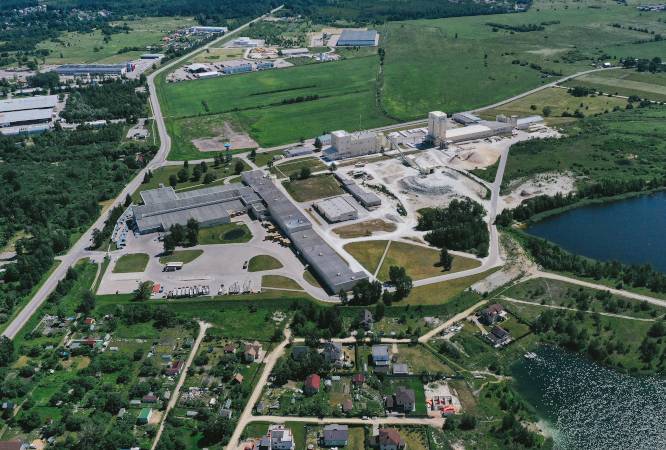
In today's world, the need for sustainable and environmentally friendly industrial development has become a priority for all sectors. Efficient use of energy and resources, alongside pollution reduction, is essential to ensure business operations align with sustainable development practices. This article discusses the GI (Green Industry) standard, which is becoming increasingly important in Thailand, particularly in industrial sectors and areas such as the 304 Industrial Park, which is transitioning to sustainability.
What is GI (Green Industry)? Principles Behind It
GI (Green Industry) refers to a standard established to ensure industries operate in an environmentally friendly way, minimizing their ecological impact. The principles of GI focus on encouraging factories or industrial businesses to reduce energy usage, minimize pollution, and make the most efficient use of limited resources. This approach ensures that businesses not only generate profit but also consider the long-term protection of the environment and society's well-being.
GI standards are divided into five levels:
- Level 1: Green Commitment
Factories at this level show commitment to developing and improving environmentally friendly operations, although concrete actions have yet to be implemented.
- Level 2: Green Activity
Factories at this level engage in activities promoting environmental protection, such as energy reduction and proper waste management, but do not cover all areas.
- Level 3: Green System
At this level, factories manage their environmental impact systematically, adopting relevant international or standard systems in their processes, such as ISO 14001.
- Level 4: Green Culture
At this level, environmental conservation becomes part of the organization's culture. All sectors within the organization understand and collaborate on environmental protection across all operational processes.
- Level 5: Green Network
This highest level involves comprehensive eco-friendly operations, not only within the organization itself but also in cooperation with other industrial networks to promote and advance green industry growth.
Importance of Reducing Energy and Resource Consumption
Furthermore, energy reduction directly impacts greenhouse gas emissions, a primary driver of climate change.
Many industries in Thailand, particularly in the 304 Industrial Park, are already adopting technologies to efficiently reduce energy use.
Transitioning Industries to Meet GI Standards
To meet GI standards, businesses must undergo several adjustments. Industries must adjust their production processes to reduce unnecessary energy and resource consumption. Utilizing recyclable materials and reusing resources are key strategies to align with this green industry concept.
Importance of Reducing Energy and Resource Consumption
Reducing energy and resource usage in green industries not only protects the environment but also cuts business costs. Efficient energy use can significantly reduce operational expenses, while optimized resource use reduces waste and increases production efficiency.
Furthermore, energy reduction directly impacts greenhouse gas emissions, a primary driver of climate change.
Many industries in Thailand, particularly in the 304 Industrial Park, are already adopting technologies to efficiently reduce energy use.
Measures to Reduce Pollution and Waste for GI Compliance
One of the critical requirements of the GI standard is reducing pollution and waste generated during production. Some measures to achieve this include:
- Recycling: Reintroducing recyclable waste into the production process helps minimize the volume of waste released from factories.
- Wastewater Management: Using advanced wastewater treatment technologies to ensure that discharged water meets environmental standards.
- Air Pollution Control: Installing filtration and air control systems to minimize atmospheric emissions.
These measures help factories in industrial parks comply with GI standards while improving environmental sustainability.
The Role of Green Technology in Advancing Industry
Green technologies play a crucial role in advancing industries by reducing environmental impact while enhancing production efficiency. Examples of green technologies used in the industrial sector include:
- Renewable Energy: Utilizing energy from natural sources, such as solar and wind power, reduces reliance on fossil fuels.
- Smart Energy Management Systems: Technologies that enable efficient energy usage control and management within factories.
- Recyclable Materials: Integrating used materials back into new production processes.
Many industrial zones in Thailand, including the 304 Industrial Park, are adopting these green technologies to develop their areas in line with the growing demand for sustainable operations.
In conclusion, the 304 Industrial Park is not only selling land but also contributing to developing industries with Industrial green energy and green transportation that meet GI standards for sustainable business operations. If you are interested in developing your industry in line with GI standards, looking for land in an industrial park is a good option to ensure your business remains competitive in a world that is increasingly focused on environmental preservation.
References:
Building an Organizational Culture that Supports Green Industry
Creating an organizational culture that aligns with green industry principles is vital. A strong organizational culture encourages all employees to participate in environmental protection and resource efficiency. For example, organizations within the 304 Industrial Park are implementing policies and activities that focus on environmental conservation, both in production processes and employee activities, such as energy conservation, reducing unnecessary resource use, and promoting environmental protection awareness.
In conclusion, the 304 Industrial Park is not only selling land but also contributing to developing industries with Industrial green energy and green transportation that meet GI standards for sustainable business operations. If you are interested in developing your industry in line with GI standards, looking for land in an industrial park is a good option to ensure your business remains competitive in a world that is increasingly focused on environmental preservation.
References:
- https://www.nstda.or.th/nac/2023/seminar/se43/
- chrome-extension://efaidnbmnnnibpcajpcglclefindmkaj/https://greenindustry.diw.go.th/webgi/wp-content/uploads/2022/06/GI_Manual_Thai.pdf
- https://www.greennetworkthailand.com/วัฒนธรรมสีเขียว/
Related News & Media



304 Industrial Park
Creating a future-ready ecosystem for businesses, with green energy, complete facilities, and global connectivity.
Contact Us